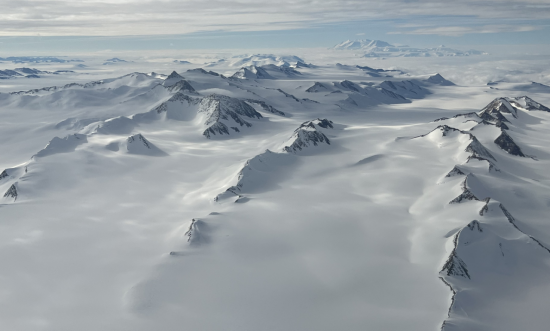
Antarctica, this ice-covered continent, is one of the most extreme and remote natural environments on Earth. Its vast ice sheets, harsh climate, and unique ecosystems make it a hotspot for scientific research, exploration, and ecological conservation. Despite limited human activity, since the 20th century, various expeditions and scientific research teams have continuously set foot on the Antarctic continent, exploring the unknown, studying environmental changes, and challenging their physical and mental limits.
Antarctica not only symbolizes Earth’s last wilderness but also epitomizes humanity’s interest in nature, science, and extreme adventure. From early heroic expeditions to modern expeditions that combine science and tourism, Antarctica’s story showcases the interweaving of courage, wisdom, and sustainable development.
1. Antarctica’s natural environment and extreme conditions
Antarctica covers approximately 14 million square kilometers and is the coldest, driest, and windiest continent in the world:
Extreme low temperatures : Winter temperatures can drop below -60°C, and summer temperatures in coastal areas are often below 0°C;
Sustained winds : Wind speeds on the ice sheet can exceed 100 kilometers per hour, making travel and survival more difficult;
Vast ice sheets : About 98% of the continent is covered by ice, which can be more than 4 kilometers thick, forming a complex glacier network;
Day and night extremes : The phenomenon of polar day and polar night challenges physiological rhythms and psychological states.
This extreme environment places high demands on explorers, requiring professional equipment, scientific planning and psychological preparation.
2. Antarctic Expeditions in History
The history of Antarctic exploration is full of legends and courage:
Early Expeditions
From the late 19th century to the early 20th century, expeditions led by Roald Amundsen, Robert Falcon Scott and others achieved the first crossing of Antarctica and reaching the South Pole under extreme conditions.
The rise of scientific expeditions
In the mid-20th century, with the development of international polar science programs, Antarctica gradually became an important base for climate research, geological surveys and ecological observations.
Modern Expedition and Tourism
In the 21st century, Antarctic tourism and polar expeditions are combined with scientific activities to attract adventure enthusiasts from all over the world, but they also bring environmental protection and safety challenges.
Historical experience shows that whether it is heroic exploration or modern expedition, Antarctica places extremely high demands on physical fitness, willpower and teamwork.
3. Organization and Challenges of Modern Antarctic Expeditions
Modern Antarctic expeditions include scientific expeditions and polar expeditions, which are complex to organize and high-risk:
Specialized equipment : including polar tents, cryogenic protective clothing, skis and ice axes, as well as drones, satellite communications and GPS navigation equipment;
Transportation : Expeditions typically rely on icebreakers, snowmobiles, and helicopters to ensure the transport of supplies and emergency evacuations.
Physiological adaptation : Low temperature, low humidity, and polar day and night pose challenges to the human body’s physiological rhythm and immunity, requiring scientific adaptation plans;
Psychological test : The pressure brought by long-term isolation, monotonous environment and extreme climate places high demands on the team’s psychological quality.
These factors make every Antarctic expedition full of high uncertainty, requiring precise planning and teamwork.
4. Scientific Research and Environmental Significance
Antarctica’s unique ecological and environmental value makes it a global scientific research center:
Climate change research:
ice core analysis, temperature records, and sea ice change monitoring provide key data for global climate models;
Ecological and biological research:
Studies on emperor penguins, Antarctic krill, and polar microbial communities help us understand the adaptation mechanisms of life in extreme environments.
Geology and Glaciology:
Research on the thickness of the Antarctic ice sheet and glacier flow, providing a reference for the prediction of global sea level changes;
Sustainable policymaking
The International Antarctic Treaty and scientific collaboration emphasize environmental protection, prohibit resource exploitation, and ensure that scientific research and tourism activities do not damage the ecosystem.
Scientific research not only enhances human understanding of the Earth’s environment, but also provides an important basis for global climate and ecological protection.
5. Modern Trends in Tourism and Adventure
Antarctic tourism has gradually developed into a popular destination for global polar expeditions:
Adventure tourism : Small expeditions exploring ice fields and glaciers by ship, ski, and foot;
Scientific expedition experience : Some tourism projects are combined with scientific expedition activities, allowing tourists to participate in data collection and ecological observation;
Environmental education : Through guided tours and explanations, we aim to raise visitors’ awareness of climate change and polar protection;
Safety and Regulation : Tourism to Antarctica is subject to strict international regulations, including capacity limits, waste management, and environmental impact assessments.
Modern Antarctic tourism combines science, satisfying the spirit of adventure while emphasizing responsibility and sustainable development.
6. Challenges and Risk Management
Despite advances in equipment and technology, Antarctic expeditions still face enormous risks:
Climate and weather : blizzards and extreme temperatures can threaten life at any time;
Glaciers and crevasses : The ice is fragile and cracks are high-risk and can easily lead to accidents;
Isolation and emergency rescue : The remote environment delays emergency rescue and makes medical treatment and evacuation difficult;
Psychological stress : Prolonged isolation and a monotonous environment increase the risk of mental health.
Therefore, every expedition must be scientifically planned to ensure that the team training, equipment and logistical support are complete.
7. International Cooperation and Protection Measures
Antarctic protection and research cannot be achieved without global cooperation:
The international Antarctic Treaty
ensures Antarctica is used for peaceful scientific purposes and prohibits resource exploitation and military activities;
Research sharing:
Research teams from around the world share glacier, climate, and ecological data to advance global scientific progress.
Environmental monitoring and management
promotes waste management, wildlife protection and tourism regulations to reduce the impact of human activities;
Education and Outreach:
Raise public awareness of polar environmental protection through scientific documentaries, lectures and media coverage.
International cooperation ensures that Antarctica is not only a place for exploration and research, but also a symbol of global ecological protection.
8. Conclusion: Revelation from the Wilderness
Antarctic expeditions demonstrate the fusion of human exploration and scientific rationality. The icy continent not only tests physical and mental strength, but also serves as a testament to climate change, ecological protection, and international cooperation.
The story of Antarctica reminds us that while pursuing new horizons and greater knowledge, we must also respect nature, implement scientific planning, and implement sustainable management . Earth’s last wilderness belongs not only to scientists and explorers, but also to all of humanity’s ecological responsibility.
The vastness and loneliness of Antarctica symbolize the grandeur of nature’s power and serve as a touchstone for human wisdom, courage, and cooperation. Every expedition is a challenge to the limits and a profound understanding of the Earth’s ecology.