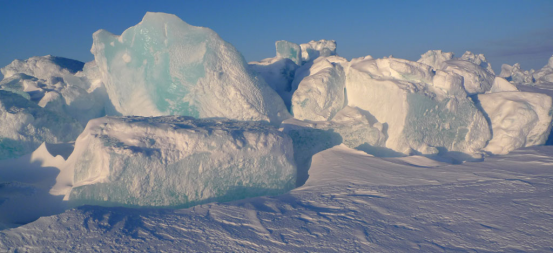
The Arctic winter is renowned for its extreme cold, constant darkness, and icy wilderness. Cycling long distances in such conditions is not only a physical challenge, but also a test of both mental and technical limits. Crossing over 4,000 kilometers of icy terrain, cyclists face temperatures as low as -40°C, blizzards, and extremely unstable roads. Every pedal stroke tests endurance, equipment, and emergency preparedness.
This cycling journey across the Arctic wilderness is not only a symbol of personal extreme exploration, but also reflects the impact of climate change on the polar environment and the ability of mankind to adapt and innovate in extreme natural environments.
1. Extreme conditions in the Arctic winter
Arctic winter conditions are extremely harsh, presenting multiple challenges to cyclists:
Extremely low temperatures : Winter temperatures typically range from -30°C to -40°C, with significant wind chill;
Polar night phenomenon : continuous darkness for weeks or even months, which puts pressure on physiological rhythms and psychological state;
Icy and snowy roads : Frozen soil, ice sheets, and snow-covered roads increase friction instability and the risk of falls;
Storms and Blizzards : Blizzards come on quickly, with very low visibility, strong winds, and accumulating snow.
These extreme conditions require cyclists to possess a high degree of technical proficiency and mental toughness, while relying on specialized equipment to ensure safety.
2. Equipment and Technical Requirements
Completing a 4,000km Arctic bike ride requires meticulous planning and specialized equipment:
Bicycle modification
Use fat bike tires to improve traction on ice and snow;
Add low-temperature lubricant to prevent the chain from freezing;
Equipped with snow brakes and anti-skid pedals.
Cold-proof equipment
Multi-layered windproof and waterproof clothing that is both warm and breathable;
High-performance gloves and footwear to prevent frostbite;
Helmets and masks prevent the cold wind from directly hitting the face.
Navigation and safety tools
GPS and satellite communications equipment for navigation and emergency communications;
Portable stoves and high-calorie foods to ensure energy supply;
Emergency shelter gear, such as snow tents and insulated sleeping bags.
The combination of equipment and technology enables cyclists to maintain stability and safety in extreme environments.
3. Route Planning and Environmental Challenges
The 4,000km cycling route often crosses tundra, ice fields and rivers within the Arctic Circle:
Frozen soil and ice fields : The ground is hard but uneven, which limits riding speed;
Snow and ice : tires sink into the snow, increasing physical exertion;
Rivers and crevasses : Assess ice thickness to avoid falling into icy waters;
Wildlife : Polar bears and reindeer may pose a threat to the cycling route, so be aware.
The uncertainty of the environment requires cyclists to have the ability to make emergency judgments and adjust their routes at any time.
4. Physical and Mental Challenges
Long-distance Arctic cycling is not only a physical challenge, but also a test of mental endurance:
Extreme low temperatures consume a lot of energy : Maintaining body temperature consumes a lot of calories, and high-calorie food is needed to maintain energy;
Loneliness and the psychological stress of the polar night : Cycling alone for long periods of time or traveling in the polar night can lead to anxiety and loneliness;
Long-term fatigue accumulation : Cycling for weeks on end puts extreme stress on muscles and joints, with limited recovery time.
Scientifically planning your work and rest schedule, supplies, and rest are important guarantees for completing your ride.
5. Direct Impacts of Climate Change
The Arctic is experiencing significant climate change, which has a dual impact on cyclists and the natural environment:
Accelerated ice melt : permafrost and glacier stability decreases, increasing route uncertainty;
Changes in wind and snow patterns : Storm frequency increases and blizzards last longer;
Ecological impact : Changes in wildlife migration and foraging behavior increase the likelihood of encountering danger.
Climate change not only affects the polar environment, but also directly changes human activities and risk management strategies.
6. Combining Science and Adventure
Arctic cycling expeditions are not only an extreme challenge, but also provide data and observation opportunities for scientific research:
Permafrost and glacier monitoring : recording changes in surface temperature and ice thickness to provide reference for climate models;
Wildlife Observation : Collect data on the activities of polar bears, seals, and seabirds to study ecological changes;
Environmental Impact Assessment : Observe the impact of human activities on the ecology and provide a basis for sustainable exploration.
While completing their personal challenges, cyclists also contribute valuable information to scientific research.
7. Trends in Modern Polar Exploration
With the advancement of technology and transportation, new trends are emerging in polar cycling expeditions:
Digital navigation and monitoring : Satellite communications, GPS, and weather forecasting systems enhance safety;
Sustainable adventure : strict waste management, low-carbon travel and eco-friendly routes become the norm;
Commercial expeditions and education : Some projects combine tourism and education to help more people understand polar ecology and climate change;
International cooperation : Scientists, explorers, and environmental organizations work together to conduct polar research and protect the environment.
These trends show that modern polar cycling is not only a personal challenge, but also involves environmental protection and knowledge dissemination.
8. Conclusion: Enlightenment from Polar Cycling
A 4,000-kilometer Arctic winter ride is a test of human endurance, ingenuity, and mental fortitude. In the extreme cold, polar night, and icy conditions, every pedal stroke represents a fusion of courage and science.
Arctic cycling is not just an adventure, but also a profound observation of climate change, environmental protection, and polar ecology. While pursuing extremes, it is imperative to respect nature, implement scientific planning, and implement sustainable management .
The stories of polar cycling remind us that the desolate world of ice and snow is both a challenge and a testing ground for human adaptation and innovation. Through courage, wisdom and science, explorers not only conquer the limits of their bodies but also deepen their understanding of Earth’s most remote wilderness.