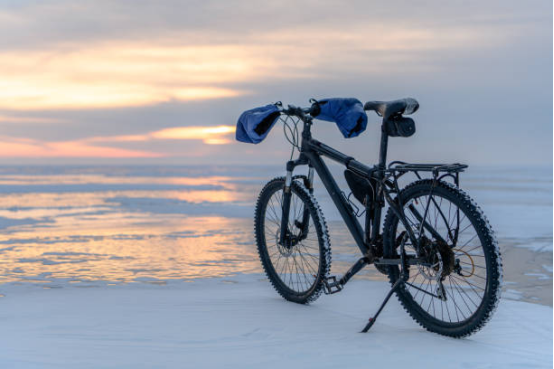
Cycling is more than just a daily exercise; it’s a lifestyle, combining endurance, speed, and strategy to deliver a full-body challenge and enjoyment. Cyclists gradually accumulate unique experience in route selection, terrain adaptation, and environmental adaptation through cycling in diverse cities and outdoor routes. These experiences can also be incorporated into polar travel guides , providing practical references and professional perspectives for long-distance cycling or extreme outdoor exploration.
However, whether planning a short urban ride or a longer outdoor adventure, cyclists often face challenges in choosing training methods, equipment pairing, and route planning. This article will provide a professional perspective on the core of cycling training, equipment innovations, and practical advice to help cyclists comprehensively enhance their cycling experience, while also hinting at the potential for polar or remote adventures.
Cycling training core: endurance, skills and strategy
Cycling is a multi-dimensional sport that not only tests lower limb strength, but also involves cardiopulmonary endurance, balance, and route judgment. Professional cyclists usually focus on three aspects in their training:
- Endurance training
Long-distance cycling places extremely high demands on cardiopulmonary function. Combining high-intensity interval training (HIIT) with continuous long-distance cycling can effectively improve endurance and explosive power, allowing cyclists to maintain stable performance in complex terrain. - skill and balance
are more than just pedaling; cornering, braking, and responding to unexpected road conditions are equally crucial. Through cornering training, obstacle simulation, and practice on different surface conditions, cyclists can improve their operating precision and reduce the risk of accidents. - Strategic
awareness is often developed through simulated races, cycling log analysis, and group riding practice.
For everyday cycling enthusiasts, incorporating these core elements into their daily training plans will not only improve cycling performance, but also lay the foundation for future long-distance cycling or polar exploration.
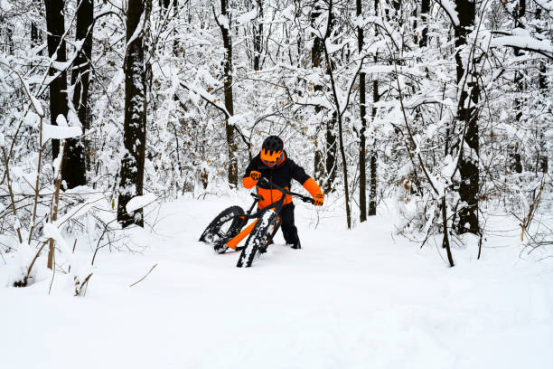
Equipment innovation and route planning: a new dimension of cycling experience
Modern cycling training no longer relies solely on physical fitness; equipment and route planning also play a decisive role.
- Innovative
high-performance road and mountain bikes, along with lightweight cycling apparel, provide cyclists with a more comfortable and efficient training experience. Smart cycling computers, power meters, and heart rate monitors allow cyclists to monitor training results and adjust their riding strategies in real time. Optimized soles, tires, and protective gear effectively reduce the risk of sports injuries and enhance control on various terrains. - Route Planning and Environmental Adaptation:
The terrain, climate, and environmental conditions of each route determine the difficulty and strategic choices of training. Some cyclists combine route planning and equipment recommendations from blogs sharing their outdoor challenges to simulate complex terrain and adverse weather conditions in advance, thereby improving safety and efficiency during actual long-distance rides or high-altitude expeditions.
With the advancement of technology in equipment and the optimization of route planning methods, cyclists can not only improve the effectiveness of daily training, but also accumulate practical experience for polar or long-distance outdoor exploration, allowing cycling to naturally connect with adventure exploration.
Practical tips and common misunderstandings: making cycling training more efficient
Common misunderstandings in cycling training mainly stem from an incomplete understanding of endurance, technique, or equipment use, such as:
- Excessive pursuit of cycling distance or speed while neglecting rest and recovery can easily lead to accumulated fatigue and sports injuries.
- Ignore route and environmental factors, and underestimate the impact of wind, slope or changes in road conditions on physical energy consumption.
- Improper equipment selection, such as improper frame height, seat angle or pedals, can affect efficiency and even cause long-term damage.
To address these issues, here are some practical suggestions:
- Diversified training program : combining endurance, skill, balance and strategy training to form a comprehensive improvement program.
- Scientific recovery : Reduce the risk of injury by stretching, rolling to relax muscle groups, ensuring sleep and hydration.
- Data recording and analysis : Use a cycling computer or sports app to record speed, heart rate, power, etc. to optimize training and route strategies.
- Regular equipment maintenance : Check tires, brakes, and chains to ensure a safe and smooth riding experience.
These methods are not only applicable to daily cycling, but also provide practical references for cyclists in remote exploration, high-latitude environments or complex terrain, making the sports experience safer and more efficient.
Summarize
Cycling is more than just a sport; it’s a way to explore the world. From training techniques to equipment selection, from strategic planning to route adaptation, every step impacts the cycling experience. Through scientific training and optimized equipment, cyclists can achieve a richer cycling experience, whether on urban routes, mountain trails, or even in high-latitude polar environments.
With the introduction of cross-disciplinary design concepts and professional guidelines, there may be more research in the future to explore how to combine cycling training with extreme environment adaptation and long-distance route exploration to create a cycling experience that balances efficiency, safety and fun.
Whether you’re leisurely riding city streets or challenging challenging terrain and climates, mastering core techniques, understanding equipment trends, and avoiding common misunderstandings are the keys to a cyclist’s continued progress. The next time you embark on a cycling trip, you’ll discover that it’s not just your riding ability that’s improved; your horizons for outdoor exploration and polar experiences are also quietly expanding.