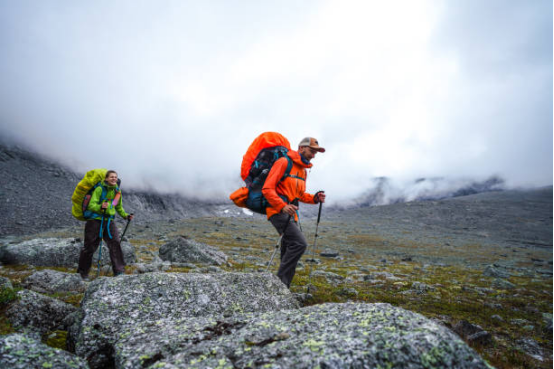
Deep in the snow, the sound of cracking ice, the sleepless polar nights, the silence beneath the aurora borealis—these are familiar scenes to polar explorers. But for those eager to break free from the conventional travel mold, such experiences are no longer merely distant scientific expeditions, but are becoming a new “travel paradigm.” When you pack your bags, it’s not just for a change of scenery, but also because you’re willing to enter a new frontier—a shared state of journeying at the end of the world .
Polar expedition: not just travel, but a dialogue between people and the environment
The word “polar” is often mythologized, but it actually carries more than just ice and wildlife; it also reflects the tug-of-war between humanity’s physical and mental strength and the limits of nature. According to a recent industry report, the polar travel market is rapidly growing—the global polar travel market was estimated to be worth $953.7 million in 2023 and is projected to reach approximately $2.3 billion by 2032.
This suggests that more and more people are viewing the polar regions not just as destinations but as part of their journeys. The number of travelers departing from China has particularly increased in recent years.
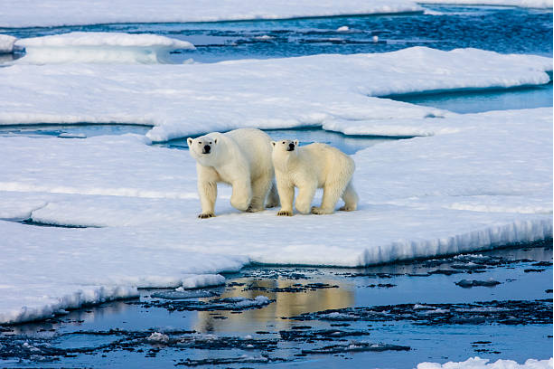
But the polar regions are far from a “vacation destination”: low temperatures, storms, ice cracks, and broken sea ice are real risks. Compared to tropical beaches or city walks, the polar regions offer an experience beyond travel—a place of ice and silence where you must learn to engage with nature.
Why the polar experience translates into a broader travel philosophy
1. Self-reinvention in extreme environments
In the polar regions, every decision can impact survival: Which crevasse do you choose to circumvent? Do you slow down to conserve body heat? This experience fundamentally overturns the traditional notion that travel is all about relaxation.
When you step outside your comfort zone, you begin to truly travel—not just seeing the scenery, but becoming part of it.
2. From “sightseeing” to “immersion”
Traditional travel often focuses on taking photos and checking in. Polar expeditions, however, emphasize participation, adaptation, and immersion. You might camp in the snow, listen to the wind and snow crashing against your tent in the polar night, or learn awe beside a glacial crevasse. These experiences deepen your understanding of the Earth, yourself, and the journey itself.
Therefore, travel is not just about “going to a place,” but about “going to a state of mind.”
3. Reshaping the boundaries of travel
When polar exploration becomes an optional mode of travel, the boundaries of travel itself are being redefined. From tropical islands to the Arctic ice sheets, the scope of travel has expanded from “relaxing vacation” to “extreme experience combined with sober reflection.”
This means that your next trip may not just be about changing cities, but about changing perspectives and changing your mindset.
Bring the spirit of the Arctic into your travel plans
Are you still booking hotels, choosing attractions, and taking photos as usual? If you like, you can add some polar adventure elements to make your trip more meaningful.
- Choose remote or less visited destinations : You don’t have to go to the actual glacier, you can also choose North Iceland, the edge of Antarctica, or the interior of Alaska, and set out with an “exploratory mindset”.
- Be prepared to adapt to the environment, not just take photos : such as cold-resistant equipment, backup power supply, windproof clothing… These things are “beyond the needs of regular travel”, but they can help you feel the environment more deeply.
- Design experiences, not just a quick tour : Instead of quickly touring attractions, reserve some time for silence: hiking on an ice sheet, sleeping in the snow, listening to the wind cracking through the rocks. In silence, you can hear yourself.
- Prepare for a trip with an “adventure mindset” : Polar expeditions teach us that slowing down is more important than rushing. During your journey, you’re not a “tourist rushing to see the sights,” but a “person walking in the environment.”
The future of travel: from destination to physical and mental boundaries
Polar exploration and travel aren’t mutually exclusive. They can mutually benefit. The calmness, adaptability, and immersion you learn in the polar regions can be applied to your next trip to an island, city, or mountain. That “pure vacation” can become a “deep experience.”
The diverse cultures, changing landscapes, and urban rhythms of travel can also provide a psychological buffer for your next polar adventure. The convergence of the two creates a new travel paradigm: not just about going out, but also about understanding the meaning of going out.
Let the journey not only end at the arrival
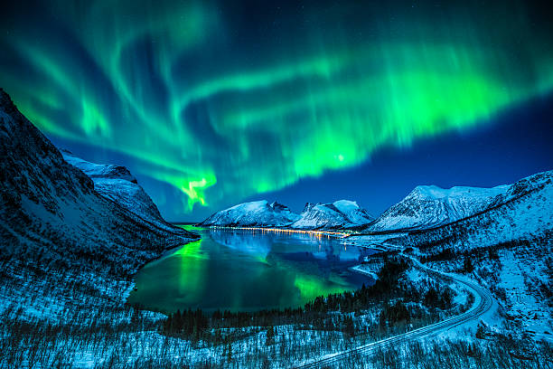
When you step onto the icy plains, enter the polar night, and gaze at the aurora borealis, you’re actually climbing a more hidden peak—your own boundaries. If your next travel destination is still a checklist of “check-in spots,” why not pause for a moment, listen to your surroundings, and listen to yourself?
May your next trip not just be about “a country,” but “a state of mind.” Traveling to the edge of the world may be the starting point for discovering the extraordinary within an ordinary journey.