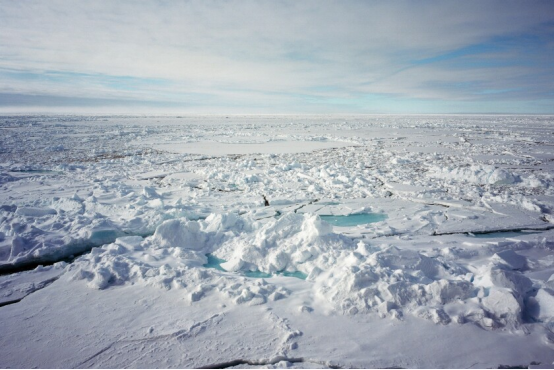
The Arctic, a vast, icy wilderness, is renowned for its extreme temperatures, remoteness, and breathtaking scenery. In recent years, an unprecedented extreme sport—stratosphere skydiving—has brought adventurers to the North Pole. This form of skydiving not only challenges the human body but also combines high-tech equipment and meticulous planning to make the experience of freefall from the stratosphere a reality. The backdrop of the Arctic’s snow and sky offers extreme sports enthusiasts an unparalleled visual and psychological experience, while also highlighting the unique demands that high-altitude environments place on both the human body and equipment.
1. The uniqueness of stratospheric skydiving
Stratospheric skydiving differs from traditional skydiving in that it involves extreme altitudes and conditions:
Skydiving altitude : Typically over 24,000 meters (about 80,000 feet), into the upper stratosphere, much higher than conventional civilian skydiving altitudes;
Low pressure : The atmospheric pressure at this altitude is only 1/30 of that on the surface, and breathing must rely on the oxygen supply system;
Extremely low temperatures : temperatures can drop to -60°C, requiring specialized protective clothing and heating systems;
High-speed free fall : Jumping from the stratosphere, the initial speed can exceed 300 kilometers per hour, and the air resistance gradually increases until the parachute opens.
These conditions make stratospheric skydiving a comprehensive challenge to human endurance, psychological quality and technological equipment.
2. Equipment and Technical Requirements
Arctic stratospheric skydiving relies on high-tech equipment and precision techniques:
High-altitude cabin and airtight suit
Before the flight, the skydiver must ascend to the stratosphere in a sealed high-altitude cabin;
Wear a high-pressure airtight parachute suit to ensure oxygen supply and prevent boiling of body fluids and frostbite;
parachute system
Main parachute and reserve parachute dual system design;
The high-altitude parachute opening mechanism is precisely calibrated to ensure stable deployment in thin air;
Navigation and communication equipment
Satellite positioning and high-altitude communication devices ensure the accuracy of the parachute jump path;
Emergency signal and remote monitoring equipment to ensure timely rescue response;
Environmental Monitoring
Real-time monitoring of altitude, temperature, wind speed and air pressure;
Data records are used for subsequent analysis and scientific research.
The combination of equipment and technology enables skydivers to achieve extreme free falls in the harsh Arctic environment.
3. The impact of the Arctic environment on skydiving
The unique geographical and climatic conditions of the Arctic present special challenges for stratospheric skydiving:
Extreme temperatures : Temperatures as low as -60°C, which puts stress on the human skin and respiratory system;
Strong winds and air currents : High-altitude wind shear and polar cyclones may change the parachute trajectory;
Snow and ice reflection : The high reflectivity of the snow surface increases visual stimulation and may affect the perceived altitude;
Light extremes : Polar day or polar night phenomena affect physiological rhythms and judgment.
The extreme nature of the Arctic environment requires parachutists to have highly professional training and emergency response capabilities.
4. Physical and Mental Challenges
Stratospheric skydiving is not only a technical challenge, but also a test of the limits of physical and mental strength:
Hypoxic environment : Prolonged exposure to high altitude may lead to hypoxia reaction, requiring strict oxygen management;
High-speed free fall : The perceived acceleration is extremely high, requiring the muscles and cardiovascular system to withstand extreme loads;
Loneliness and psychological stress : The high degree of isolation and high-speed falling during skydiving bring strong psychological impact;
Emergency response : Parachute failure, changes in air pressure or sudden changes in wind speed all require quick response.
Scientific training, mental preparation and team support are the keys to completing an Arctic stratospheric skydive.
V. Scientific and Exploratory Significance
Stratospheric skydiving is not only an extreme sport, but also provides unique opportunities for scientific research:
Atmospheric research : High-altitude instruments can be carried during skydiving to collect temperature, humidity, and wind speed data;
Climate monitoring : Data from the skies over the Arctic helps study polar climate patterns, the state of the ozone layer, and air pollution;
Human physiology research : providing experimental data on the effects of high-altitude environments on the circulatory, respiratory, and nervous systems;
Equipment testing : Verifying the performance of protective clothing, oxygen systems, and parachutes under extreme conditions.
This type of activity closely combines extreme sports with scientific exploration, enabling humans to gain a deeper understanding of the polar and high-altitude environments.
6. Trends in Extreme Sports and Their Public Influence
Arctic stratospheric skydiving reflects the development trend of modern extreme sports:
High-tech integration : precision equipment, wearable monitoring devices and unmanned assistance systems are widely used;
Visual communication : High-definition video, virtual reality recording and media reports allow the public to experience the limits of high altitude;
Environmental awareness : Activities must strictly comply with Arctic environmental regulations to avoid any impact on the ecology and ice and snow environment;
Educate and inspire : Demonstrate science, courage, and the spirit of exploration to inspire public attention to the polar regions and climate change.
Extreme sports not only satisfy personal desire for adventure, but also carry the value of scientific communication and environmental education.
7. Risk Management and Future Development
Stratospheric skydiving carries high risks and requires strict management:
Health risks : hypothermia, hypoxia, cardiovascular load and psychological stress;
Technical risks : parachute failure, sudden change in wind speed or equipment failure;
Environmental risks : severe polar weather, changes in ice and snow surfaces, and extreme lighting conditions;
Long-term planning : comprehensive training, risk assessment, emergency rescue plans and scientific data recording.
In the future, with the development of unmanned assistance technology, simulation training and high-altitude monitoring equipment, stratospheric skydiving will become safer while expanding its scientific and educational value.
8. Conclusion: Human Courage on Ice and Snow
Arctic stratospheric skydiving combines human courage, technology, and the limits of nature. The high-speed free fall not only tests physical and mental strength, but also demonstrates respect for the environment, science, and one’s own limits.
This extreme sport reminds us that exploring the unknown requires not only courage but also scientific planning and technological advancement . The Arctic’s ice, snow, and skies are a stage for extreme challenges and a testing ground for science, education, and the human spirit.
The story of stratospheric skydiving is not only a legend of adventure, but also a microcosm of human exploration, understanding and innovation in extreme environments.