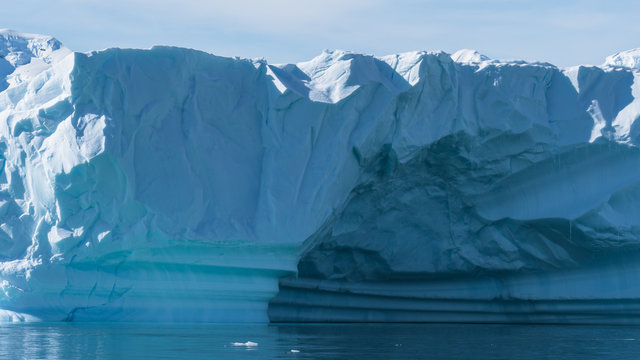
1. Introduction to ice diving: the unique charm of polar diving
Antarctic ice diving is known as the “Mount Everest of diving” and is the ultimate dream of every diving enthusiast. Compared with conventional diving, Antarctic ice diving has the following unique features:
- Extreme environmental challenges :
- The water temperature is between -1.8℃ and 1℃ all year round (the warmest temperature recorded in 2025 was 2.1℃)
- Visibility can reach over 50 meters (thanks to the filtering effect of glacial meltwater)
- Divers need to bear the weight of 4-5 mm dry suit + 3 layers of thermal underwear
- Ecological wonders :
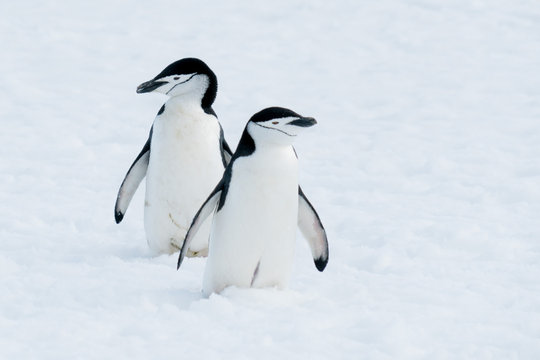
- Antarctica accounts for 10% of the biomass of the world’s oceans (despite occupying only 2% of the area)
- Endemic species account for up to 80% (e.g. ice fish have natural antifreeze proteins)

- Space-time characteristics :
- Best window period: December to February (underwater light is best during the polar day)
- Only 2-3 hours of safe diving time per day (avoid periods of ocean current changes)
2. Professional requirements: Not all divers can ice dive
According to the latest revision of the IAATO Antarctic Diving Code in 2025, participants in Antarctic ice diving must meet the following requirements:
Certification :
- PADI Dry Suit Diving Specialist certification or equivalent
- At least 50 dry suit dives (10 of which were in waters below 10°C)
- Advanced rescue diver qualification (for emergency situations)
Equipment List :
- Dual tank system (with independent regulators)
- Fully enclosed dryer (new for 2025 with built-in heating system)
- Titanium alloy regulator (anti-freeze design)
- Surface signal device (GPS+radio dual-mode positioning)
Health requirements :
- Cardiopulmonary function test report within three months
- Proof of cold-water training (at least 20 hours of cold-water acclimatization)
- Psychological assessment report (assessing extreme environmental tolerance)
3. Diving hotspots: Five top diving spots in the Antarctic Circle
- Deception Island Crater (62°58’S)
- Features: Geothermal hot springs and glaciers meet
- Depth: 5-15 meters
- Species: Heat-tolerant microbial communities, volcanic vent organisms
- Port Lockroy Shipwreck Area (64°49’S)
- Features: Historical shipwrecks and artificial reefs
- Depth: 8-18 meters
- Species: Sponge gardens, Antarctic cod schools
- Port Nico Ice Wall (64°50’S)
- Features: Vertical ice wall diving
- Depth: 10-20 meters
- Species: Ice plankton, bioluminescent jellyfish
- La Mere Channel Ice Cave (65°43’S)
- Features: Blue Ice Cave System
- Depth: 6-12 meters
- Species: Ice algae communities, transparent amphipods
- Peterman Island Coral Reef (65°10’S)
- Features: Cold water coral reefs
- Depth: 15-25 meters
- Species: Antarctic corals, sea spider colonies
5. Environmental Responsibility: A Guide to Sustainable Ice Diving Practices
As the number of tourists to Antarctica exceeds 100,000 by 2025, environmentally friendly diving is particularly important:
- Biosafety :
- All equipment must be double disinfected with fresh water + ultraviolet light
- It is forbidden to touch any marine life (including dead bodies)
- Use biodegradable diving weights
- Research participation :
- Assist in collecting microplastic samples (5 grams per submersible)
- Recording ice thickness change data
- Report unusual biological behavior
- Carbon Offset :
- Choose a ship that uses biofuel
- Participate in the “Dive Once, Plant a Tree” Polar Moss Project
- Support the construction of Antarctic marine protected areas
Pro Tip: The new “Ice Diver Scientist” program, launched in 2025, allows qualified divers to assist in scientific research, providing both in-depth experience and contribution to scientific research – this is the true meaning of Antarctic exploration.